
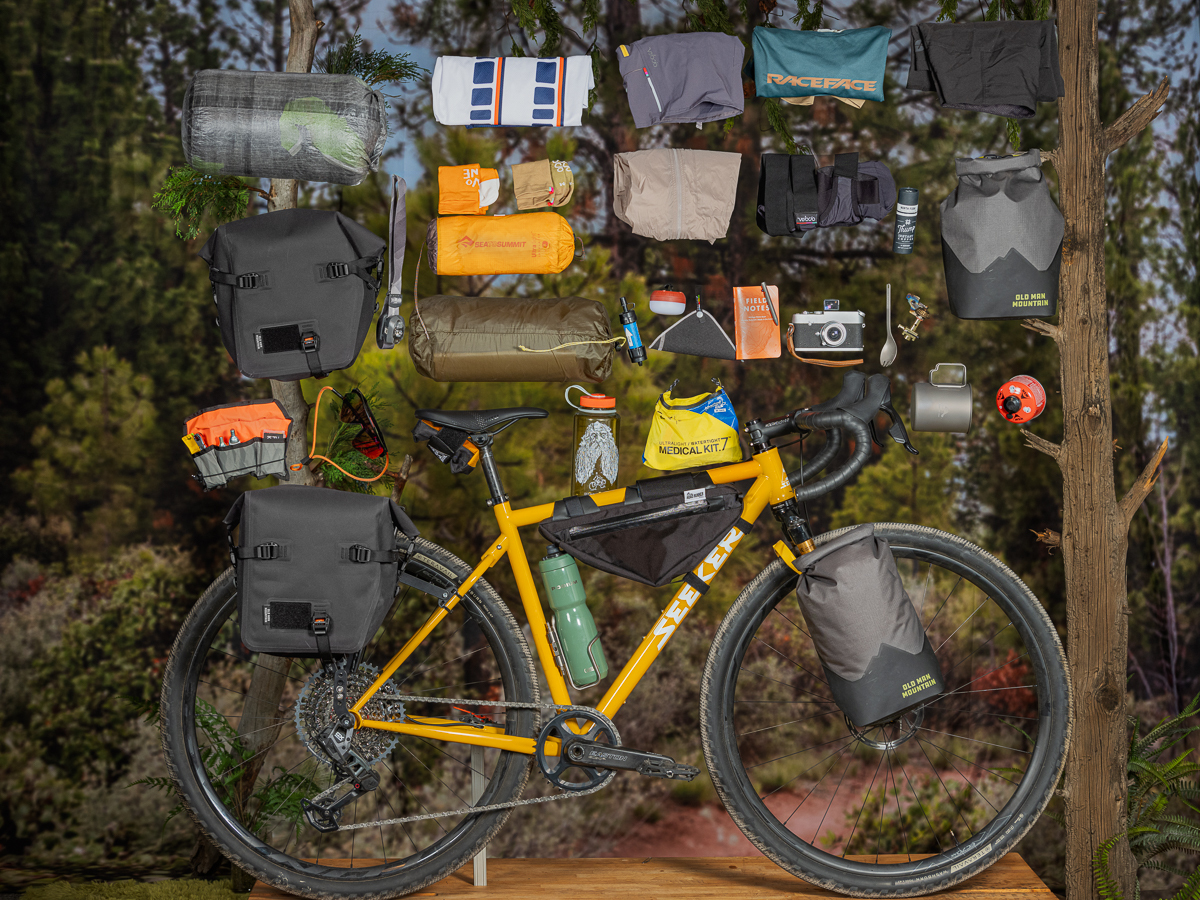
Dress for success on your first bikepacking trip
Getting out bikepacking is about embracing adventure and being prepared for the unpredictable. From shifting weather to varying terrain, your clothing plays a crucial role in that preparation, keeping you comfortable and protected.
Since space on your bike is limited, you can’t afford to bring bulky layers or extra items that don’t pull their weight. Choosing the right apparel means finding the perfect balance between versatility, weight, and packability.
Temperature swings are a constant on a bikepacking trip, not just from day to night, but even within a single ride as you climb, descend, or hit exposed stretches in the sun. When you’re carrying everything on your bike, every item needs to earn its place. You need clothing that’s adaptable enough to handle a wide range of conditions, yet compact and durable.
In this post, we’ll break down why your clothing choices matter and how to dress smart for every stage of your bikepacking adventure.

Erich Weidenkeller
Community and Content Manager
Hi! I’m Erich, Community and Content Manager at Old Man Mountain. I’ve worked in the bicycle world for a long time, and I love exploring the outdoors on two wheels. I’m a mountain biker through and through, but I can be found putting in miles on the curly bar bike as well.
Fabric Matters
Cotton
Cotton is one of the most common fabrics in everyday clothing. It’s comfy, durable and it looks great. But it’s an improper fabric to bring with you on a bikepacking adventure. During aerobic activity like cycling, cotton absorbs your sweat and traps the moisture against your skin. The fabric becomes heavy when wet and it takes a very long time to dry out. This results in your body feeling clammy and uncomfortable, and can lead to chafing and even hypothermia in extended cold conditions.
Synthetic
Most outdoor and cycling clothing is synthetic, and for good reason. Synthetic fabrics are breathable and moisture wicking, so they pull the sweat away from your skin to help you stay dry. The fabric itself also dries quickly, so when you pull your jersey on in the morning it’s not still damp from that impromptu trailside swim the afternoon before. Synthetic fabric is also durable, holding up to activities like cycling where friction and abrasions are going to happen.
Wool
A fiber that’s gained a resurgence of popularity in cycling is merino wool. Merino wool comes from a specific breed of sheep. It is finer and softer than traditional wool, so it isn’t itchy against your skin. The merino fibers absorb moisture, but unlike cotton, they have a natural wicking effect, pulling sweat away from your skin and distributing it into the fabric to dry quickly. Merino wool doesn’t develop odor, something that can become a problem with synthetic clothing, especially on a multi-day bikepacking trip. Merino wool isn’t as tough as some other fabrics, but clothing manufacturers address this by weaving synthetic fibers in with the merino to create fabric that maintains merino’s benefits while increasing durability.
The Three Layer System
Modular layers are what allow a compact amount of clothing to cover a broad range of conditions. The layers can be worn separately or combined together to adjust for temperatures and weather as it changes throughout the trip. A simple way to think of this is known as the Three Layer System which is made up of a Base Layer, a Mid Layer, and an Outer Layer.
Base Layer
This is the layer closest to your skin. On a warm, sunny ride this might be your only layer: a pair of cycling shorts and a jersey. But when temperatures are cooler the base becomes more important because this is the layer that wicks sweat away from your skin keeping you dry and warm. The ability to wick sweat away from your skin and keep you dry is key. This is why most base layers are a snug fit; more skin contact means more moisture wicking.
Most outdoor and cycling clothing manufacturers make base layers out of both merino and synthetics, as well as long sleeve and short sleeve. A couple examples are the Rapha Women’s Merino Base Layer and the Gorewear Men’s Baselayer shirt. Both are thin enough to fit well under your jersey.
QUICK NOTE: None of these links are sponsored or affiliate links. We just found them to be good examples of each piece of clothing we are talking about.
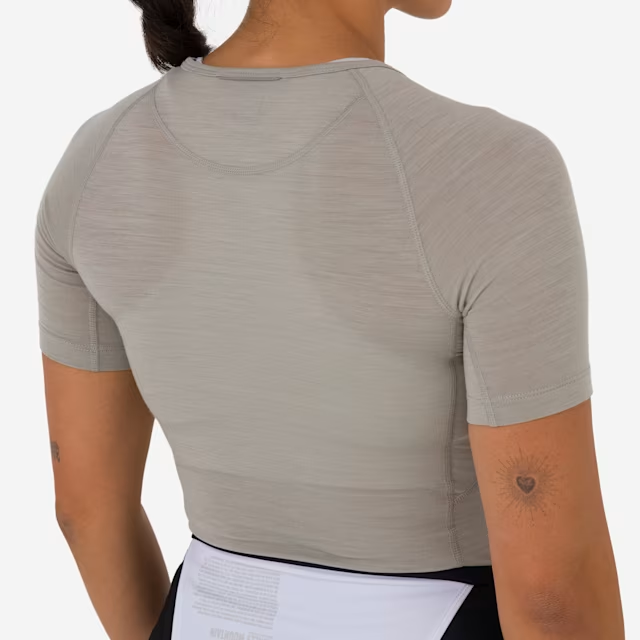
Rapha Women's Merino Base Layer
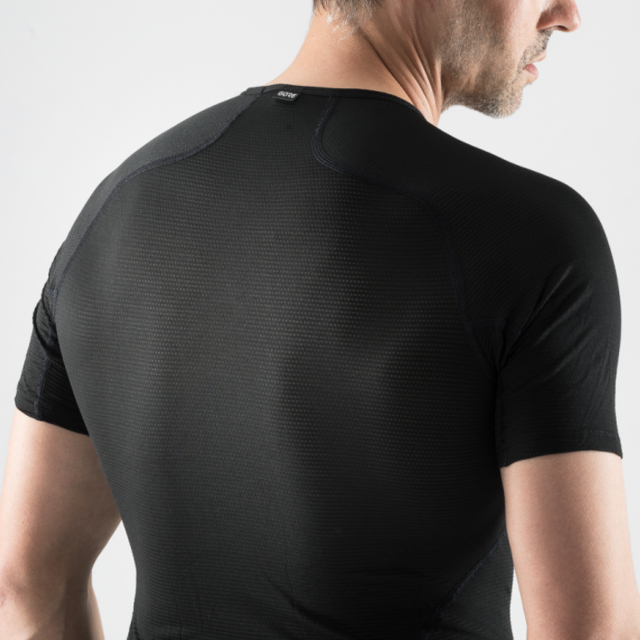
Gorewear Men's Base Layer
Mid Layer
When it’s a bit colder the mid layer becomes important because it forms your insulation. This is the layer that holds and conserves the heat generated by your body. The mid layer needs to be breathable as well, so it can continue to dissipate the moisture wicked from the base layer. In most cases while bikepacking your main cycling jersey serves double-duty as the mid layer. If the forecast calls for cooler weather, or if you just run cold in general, substituting a heavier weight long sleeve jersey here is a good idea. An example of a jersey that is also a great mid layer is the Pearl Izumi Men’s Pro Thermal Jersey, and the Ornot Magic Shell Jacket works great as an even warmer, more significant layer. A puffy jacket can also be used as an additional mid layer over your jersey if bikepacking in extra cold conditions.
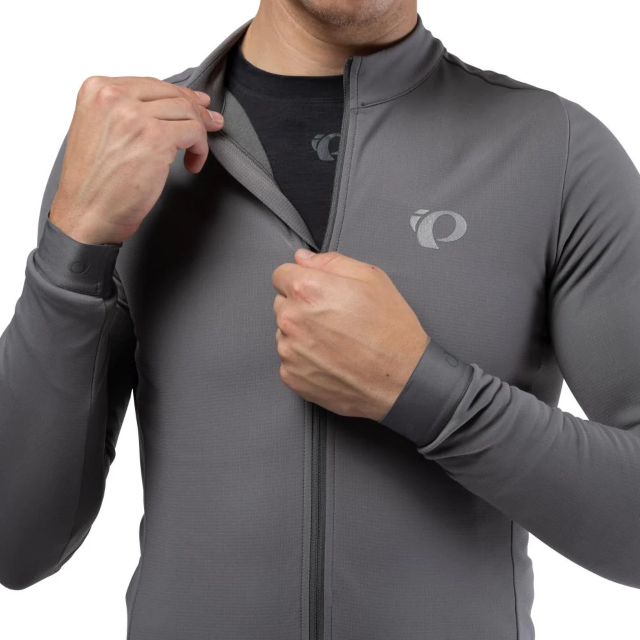
Pearl Izumi Men's Pro Thermal Jersey
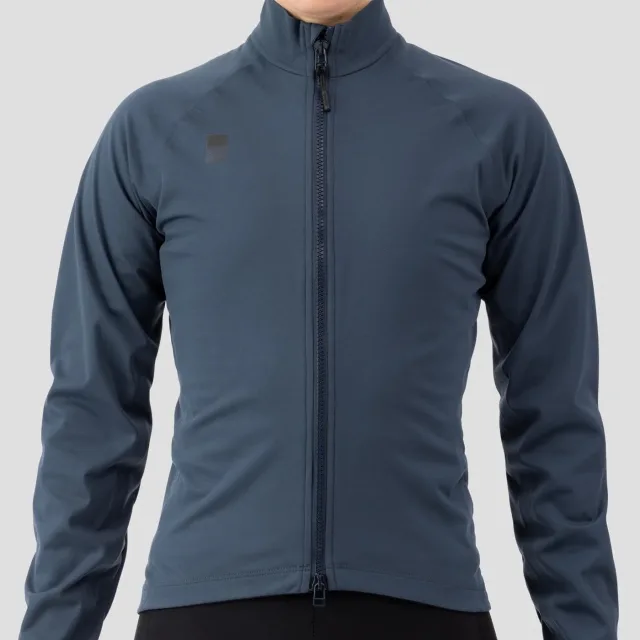
Ornot Women's Magic Shell Jacket
Outer Layer
The final layer is the one that protects you from the elements. The best choice here will depend on whether conditions are cold, wet, windy, or a combination of the three. Often the outer layer is a light jacket or windbreaker, but this can also be a puffy jacket if you’ll be cycling in dry, cold weather, or a heavier-duty shell jacket if rain or snow are expected. Two great examples of lightweight, packable type outer layers for milder conditions are the Patagonia Houdini Men’s Jacket and the PedalEd Women’s Waterproof Jacket.
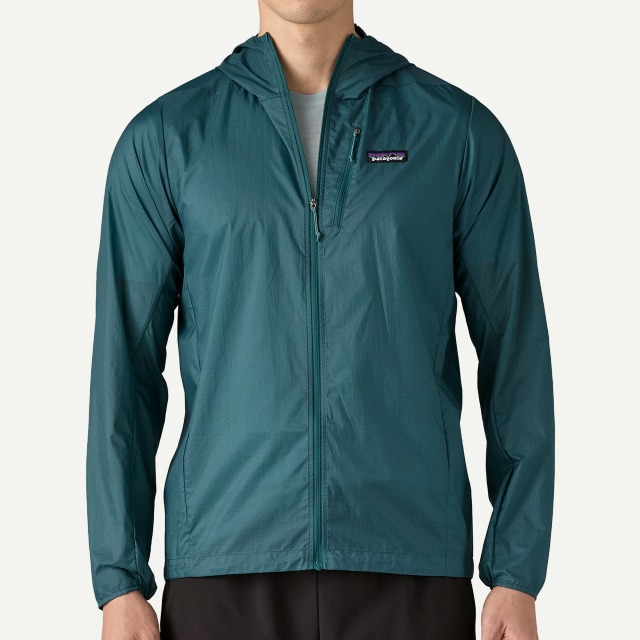
Patagonia Men's Houdini Jacket
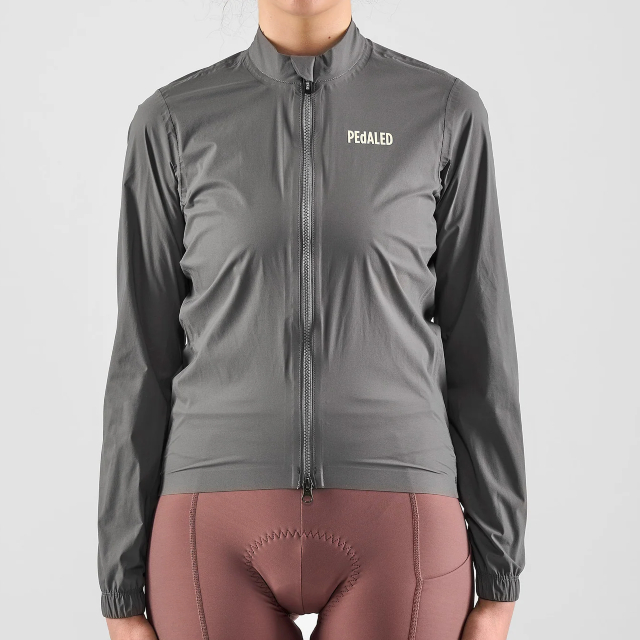
PedalEd Women's Waterproof Jacket
Style Specifics
So where to start with clothing for your first bikepacking trip? You probably already have some of what you need. A pair of your favorite shorts, a shirt and your shoes & helmet, combined with a light jacket, may be all that is necessary for a simple overnighter. In most cases though you’ll want to bring a bit more.
An effective bikepacking kit will change depending on where you’re going. Traditional cycling clothing such as lycra shorts and a zip-up jersey works great on a road or gravel oriented trip. Speeds can be higher and the closer fitting clothing doesn’t catch the wind as much. You might choose clip-in pedals and shoes for efficiency. Conversely, if you’re heading out on a mountain bike trip, baggy MTB shorts and a looser cut jersey offer more protection from trailside vegetation. Flat pedals and shoes are better for hike-a-bike sections. And lastly, some people prefer a more “casual” look while bikepacking so it’s easy to pop into coffee shops or pubs along the way, and they might choose everyday shorts worn over padded cycling liners and a button-up sun shirt
Cycling Short Types
Cycling specific shorts are the one key piece of clothing that doesn’t transfer over from other outdoor activities. There are a few types of cycling shorts, but they usually have one thing in common: a padded “chamois” that goes a long way in providing comfort over many days and miles of riding. The choice here often comes down to aesthetics, ride intensity, and terrain. Baggies offer versatility and protection, while Lycra emphasizes speed and comfort over long distances.
Bib Shorts
These are a favorite among long distance cyclists.
- Snug fit prevents fabric bunching and reduces chafing.
- No waistband so they don’t dig into your stomach while leaned forward on the bike.
- More difficult for bathroom breaks, although many premium women’s bib shorts have quick-drop designs for convenience.
Non-Bib Shorts
Great for riders who prioritize ease and comfort.
- These have an elastic waistband and are easier to get on and off, especially helpful for bathroom breaks.
- Simple to add/remove clothing layers over the top since there’re no bib straps to get in the way.
- Generally more affordable.
Baggy Shorts
Typically favored by mountain bikers, but great for bikepacking.
- Casual look that’s great for off-bike activities.
- Durable fabric that is more resistant to tears and abrasion from branches or crashes.
- Often includes removable padded liners for comfort. Though these liners are not usually as good as other chamois
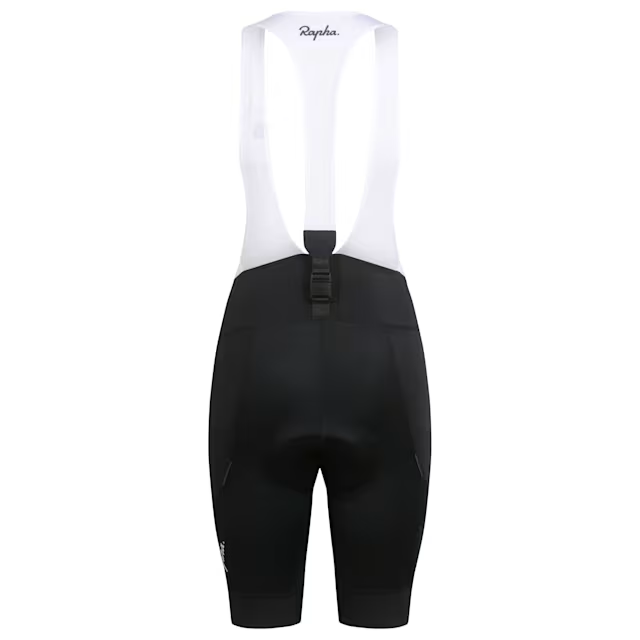
Rapha Women's Detachable Bibs
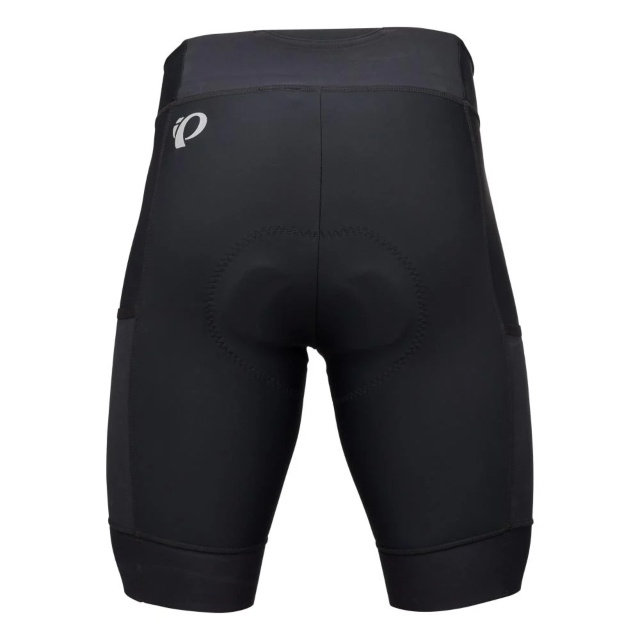
Pearl Izumi Men's Expedition Shorts
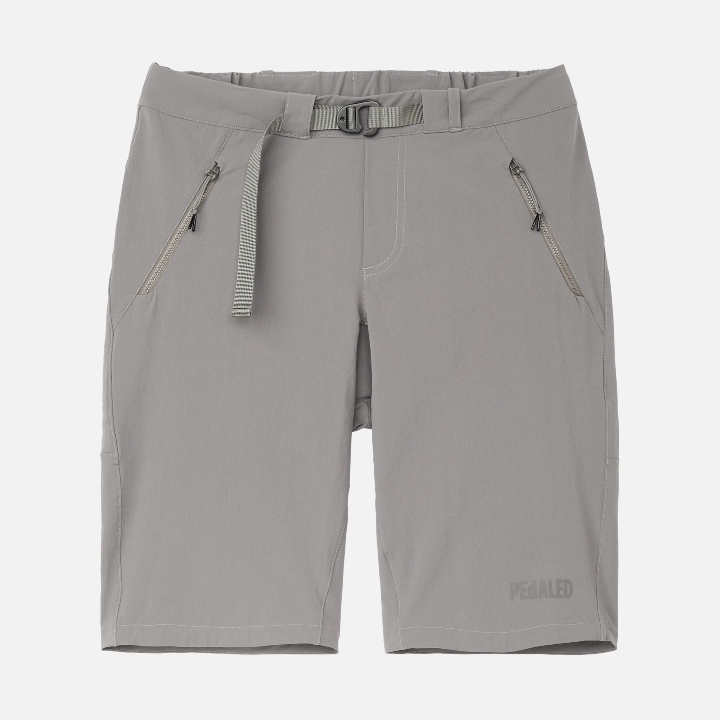
PedalEd Men's Yama Trail Shorts
Styles of Jerseys
Cycling jerseys are available in varying types of fit. Some jerseys, called “race cut”, have a more tailored fit and are tight for improved aerodynamics. Casual style jerseys have a looser fit, but still have a different cut than your everyday shirt. The rear hem is lower than the front so that the fabric doesn’t ride up on your back when reaching for the handlebars. Most jerseys have a full zipper on the front to assist with ventilation, and many have pockets on the back to carry snacks or keys/phone.
Jerseys are available in short sleeve and long sleeve versions. Generally short sleeves are best for warmer weather and long sleeves are for cooler conditions, but there are factors other than temperature that can be considered. Long sleeve jerseys offer more protection for both trailside foliage as well as the sun. In fact many people choose long sleeve jerseys when bikepacking because the increased sun protection is very important during long days of riding. A typical bike ride might be two or three hours, but a day of bikepacking can stretch far longer than that.
Alternatively, some cyclists choose to forego a traditional cycling jersey and prefer to wear a hiking or outdoors shirt. These are available in both short and long sleeve versions, and offer breathable fabrics with good sun protection. They allow a casual look, and can also perform double-duty as a comfortable camp shirt or at a coffee shop/farmer’s market. They can be a bit more challenging to layer with because the fabric can bunch up under an outer shell, and the looser fabric can also flap around a bit more at higher speeds.
Short Sleeve Jerseys
The classic cycling jersey.
- Best for warm weather riding.
- Breathable and designed to keep you cool.
- Works well paired with arm warmers for variable conditions.
Long Sleeve Jerseys
Classic form with more protection.
- Ideal for spring, fall, or cooler mornings.
- Come in lightweight summer versions (for UV protection) or thermal versions (for warmth).
- Offers more sun and wind protection without the need for extra layers.
Hiking / Outdoors Shirt
Casual look backed with performance.
- Breathable with sun protection.
- Great for other on-trip activities (hiking, fishing).
- Casual look blends into cafes and markets.
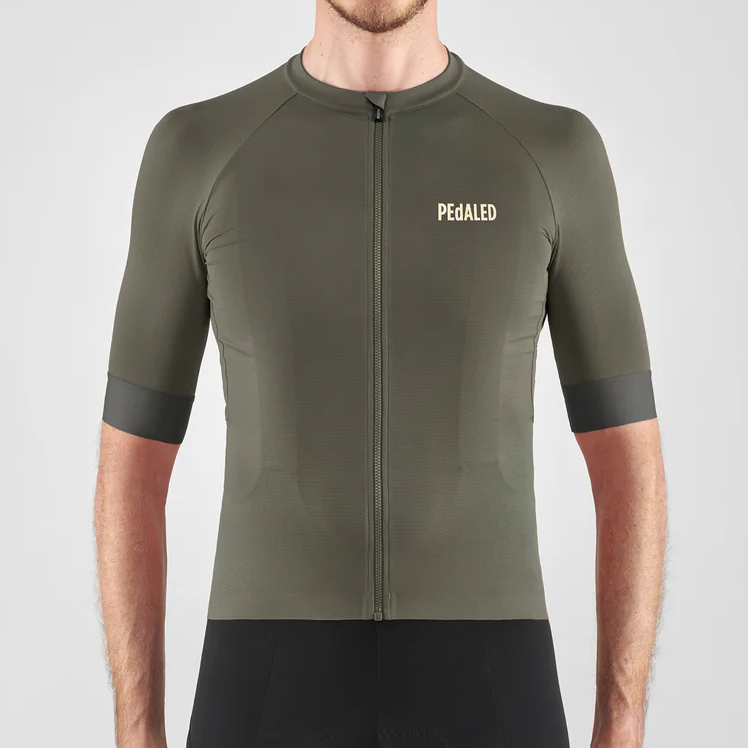
PedalEd Men's Lightweight Jersey
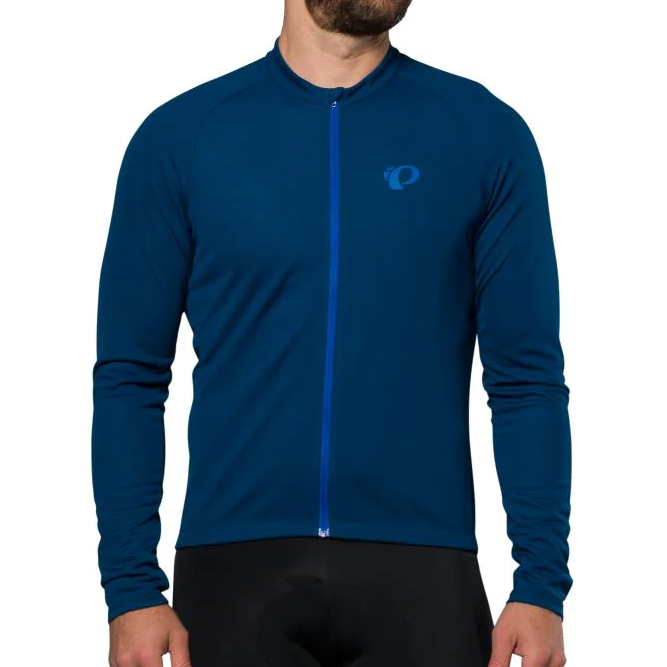
Pearl Izumi Men's Quest Jersey
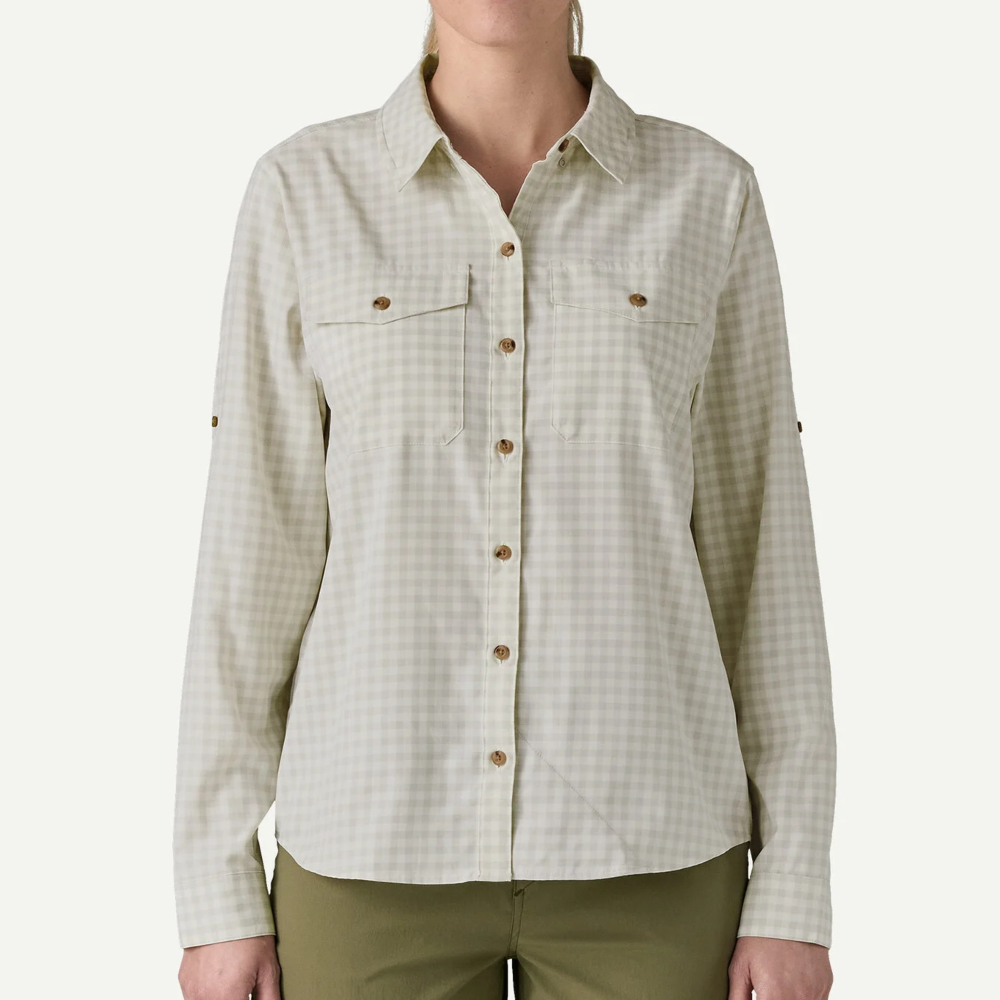
Patagonia Women's Self-Guided Sun Shirt
Ultimately, the best cycling clothing comes down to your riding style, climate, and personal preference. Mix and match based on your needs. Don’t be afraid to combine the performance benefits of bibs with the casual look of a loose jersey, or wear Lycra shorts under baggies for the best of both worlds. Comfort and confidence go a long way on the bike.
Camp Comfort
At the end of a long day of pedaling the last thing you want to do is hang around in clothes you’ve been riding in all day. Changing out of your cycling kit and into something more comfortable makes the evening much more pleasant. It also gives your cycling clothing a chance to air out, which is important when you’ll be wearing the same items for a few days in a row.
Even in the summer it can get cold at camp as the sun sets, and occasionally bugs and mosquitos like to join the party. A puffy jacket and lightweight pants can feel luxurious after wearing cycling shorts and a jersey all day. A beanie and lightweight camp shoes/sandals can also keep spirits high. As a bonus, camp clothing like a puffy and beanie can help keep you warm in your sleeping bag if the night gets particularly cold.
Basic Kit
So what’s a basic bikepacking clothing kit include? Based on the type of trip you’re planning and the weather conditions your kit will vary a bit, but for a 3-4 day bikepacking trip your clothing kit might look something like this:
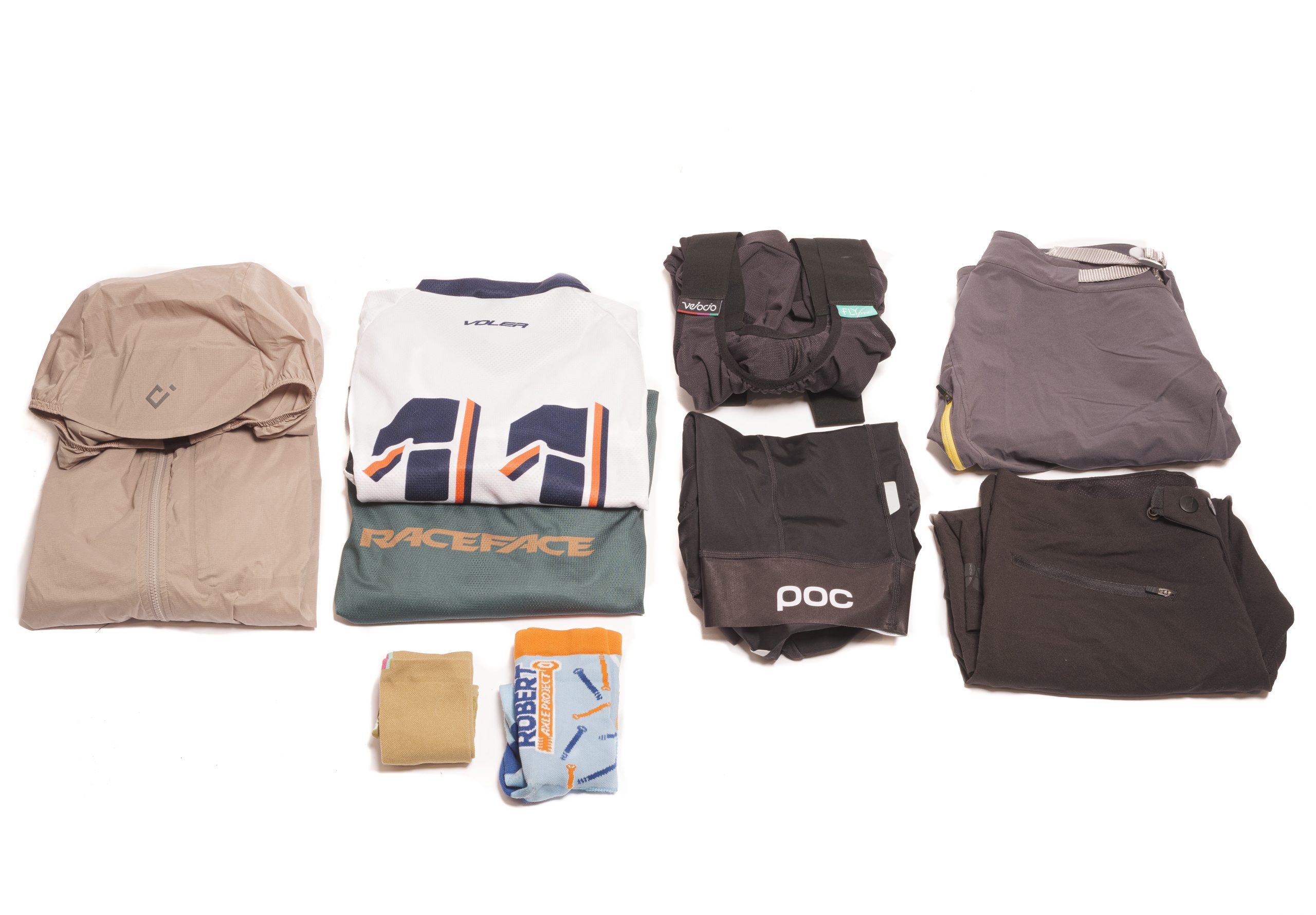
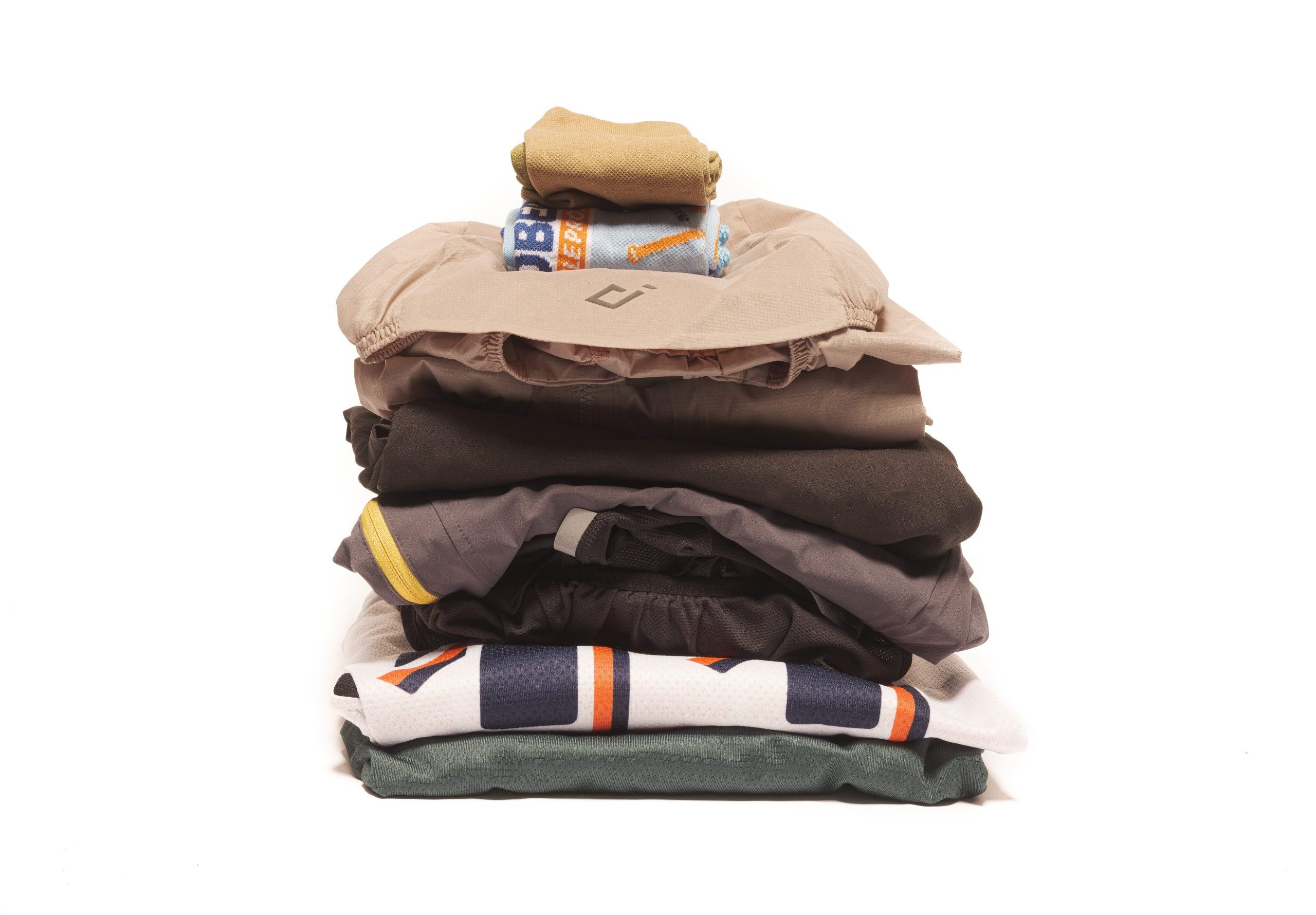
On your body
While riding
- Shorts – bibs, baggies or liners
- Jersey – merino wool T, zip-up jersey, or button-up sun shirt
- Socks – wool or synthetic
- Shoes – clip-in or flat style
- Helmet – so you don’t clap you’re dome!
- Sunglasses – not just for sun but also dust and wind
- Gloves – preference for warm rides, important for cold ones
- Buff or bandana – multifunctional, can be good for wind, sun or even dust
On your body or bike
Layering items
- Base Layer – short or long sleeve
- Windbreaker/rainjacket – the best one for expected trip conditions (wind, rain, snow)
- Thermal tights or rain pants – when cold or wet conditions are in the forecast
- Arm warmers/knee warmers – easy to take on/off, great for early morning cold starts
- Thermal cycling cap – fits under helmet for cold days
On your bike
Camp and spares
- Spare jersey – could be long sleeve if you’re wearing short, or vice versa
- Spare chamois/shorts – Preference, but ideal if riding longer than 2-3 days
- Spare socks – No cotton!
- Puffy jacket – for camp, but also cold ride starts
- Lightweight pants – for camp, but also cold ride starts
- Hat/beanie – for camp or hanging out/exploring
- Shoes/sandals – for camp or hanging out/exploring
Extra, But Not Too Much Extra!
When heading out into the unknown it’s common to want to bring more than you need. Often people begin packing every “what-if” bit of clothing and gear for their first trip, and end up with a bikepacking setup that weighs so much it’s unpleasant to ride. It’s smart to bring an extra jersey and a second pair of socks. But do you really need five pairs of socks? Probably not.
After you take your first bikepacking trip you’ll learn what worked and what didn’t. Everyone has different preferences for comfort. You might decide that while a camp pillow sounds nice, your rolled up puffy jacket can suffice and now serves double-duty. When bikepacking you’ll realize that less really can be more.
Pack Up & Go
Putting together a bikepacking kit doesn’t have to break the bank. If you’re already a hiker or cyclist, chances are you already have much of what you need. Understanding different fabric types can help you sift through your closet to find versatile pieces that will work great! Many items can pull double or even triple duty on outdoor adventures. In some cases, like a packable jacket for example, the more expensive options do perform exceptionally well, and you might decide they’re worthwhile when they can be worn for multiple activities.
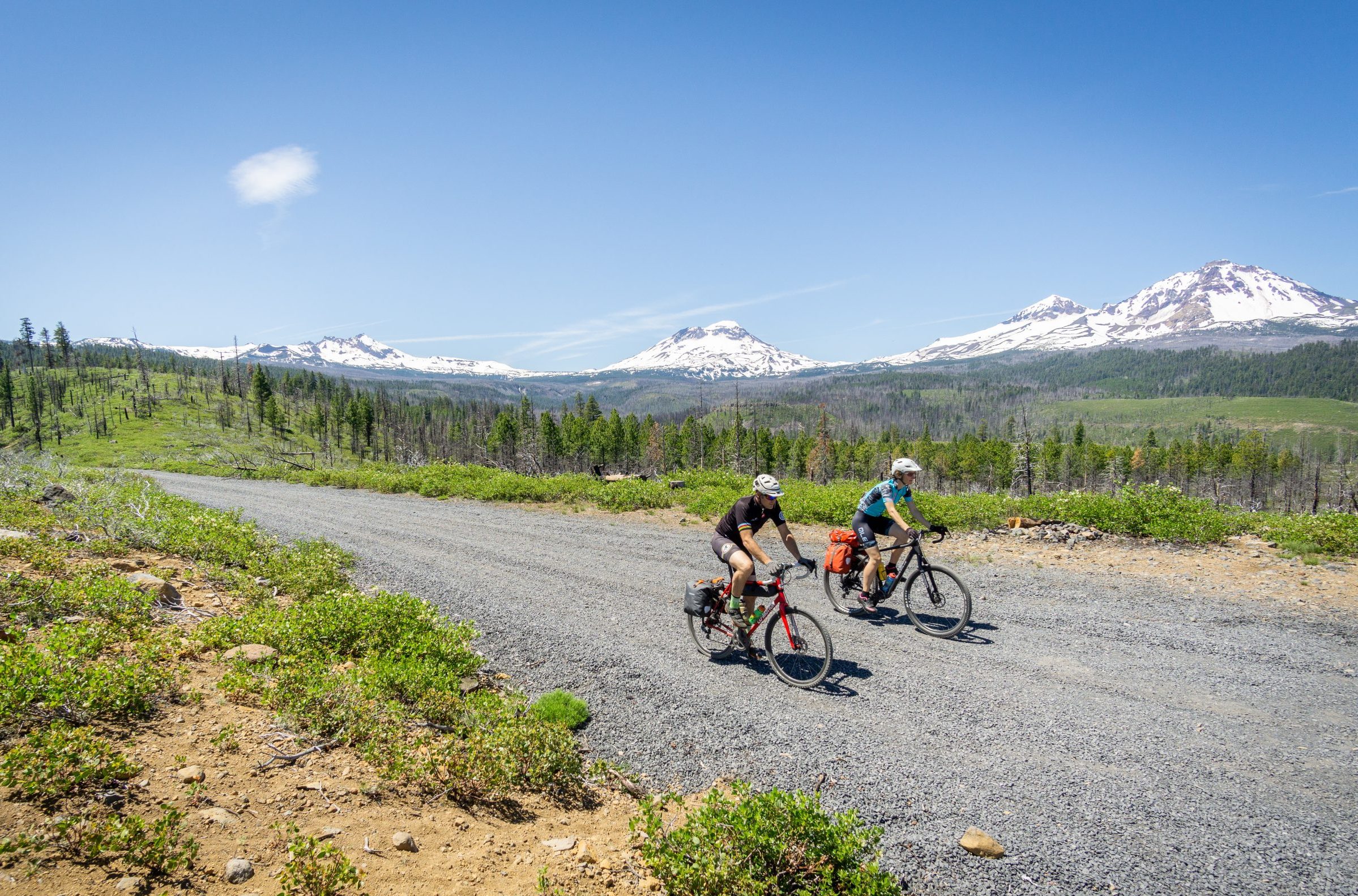
Bikepacking is about stepping away from the routines of daily life and immersing yourself in the freedom of exploration. It’s fun, it’s challenging, and with the right preparation, it can be surprisingly comfortable. Clothing plays a key role in that experience. By organizing your kit around a smart layering system you simplify packing and make it easy to adapt to changing conditions on the trail. Layering not only keeps you comfortable but also ensures that every piece you bring earns its spot in your bag. As the saying goes, there’s no such thing as bad weather, only bad clothing. With a little planning, you’ll be ready to ride through whatever the adventure throws your way.
Erich Weidenkeller
Community and Content Manager
Hi! I’m Erich, Community and Content Manager at Old Man Mountain. I’ve worked in the bicycle world for a long time, and I love exploring the outdoors on two wheels. I’m a mountain biker through and through, but I can be found putting in miles on the curly bar bike as well.
Leave A Comment